Crawl Space Encapsulation in South Indian Mound, MO
Your crawl space in South Indian Mound is cleaned, dried and sealed after water problems are corrected. Call 24/7 to arrange an assessment of damp insulation, torn liners or recurring moisture.
- Mold removed before sealing
- Moisture source checked first
- Vapor barrier and humidity plan
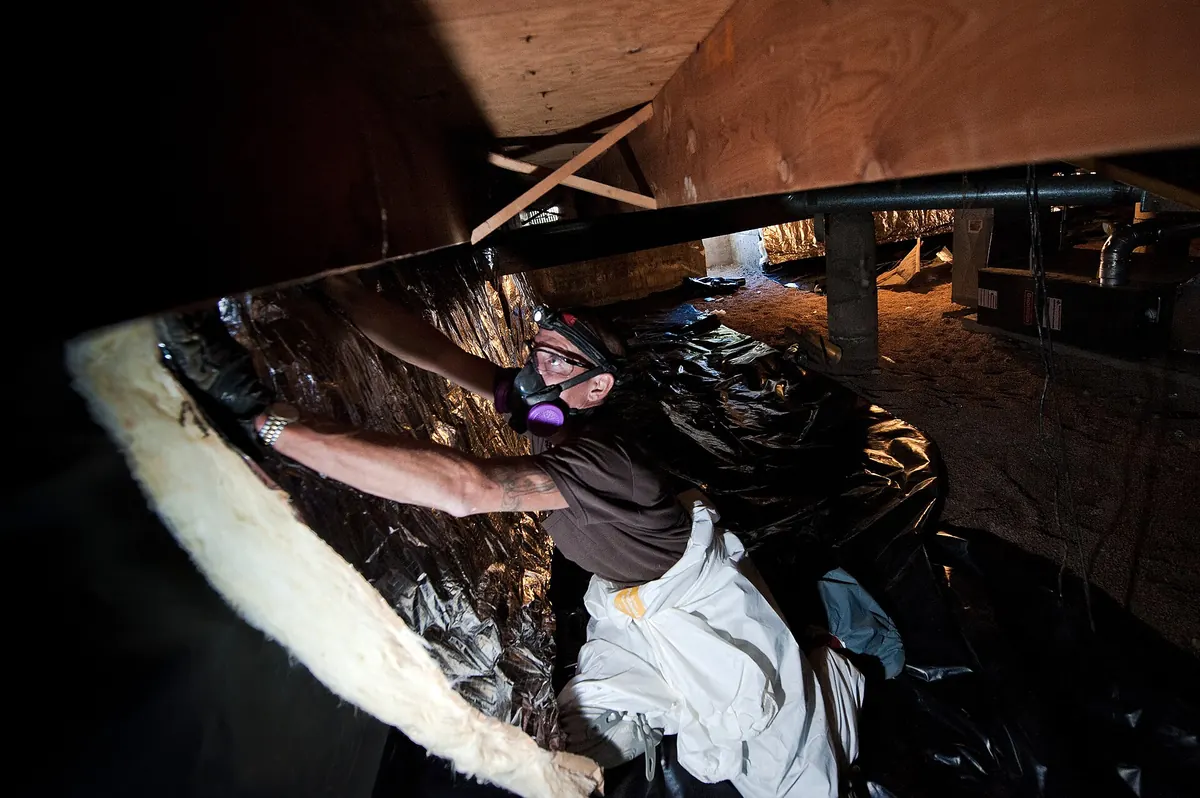
Crawl Space Encapsulation Services in South Indian Mound
Your closed crawl space uses humidity control and a sealed liner to restrict ground vapor and outside air. Mold removal and water correction precede that work.
Soil and piers, along with foundation walls and your crawl space door, are covered by the work. The scope specifies equipment access, wall insulation, vent sealing and coverage.
Before your crawl space is sealed, drainage and repairs are defined. Waterproofing controls liquid water; ground vapor is limited by a vapor barrier.
- Ground and walls fitted with a vapor barrier
- Seams and access openings sealed alongside vent sealing
- Mold removal before liner placement
- Drainage and humidity control assessment
- Sealed crawl space equipment checks

Signs You Need Crawl Space Moisture Control in South Indian Mound
Moisture below your floors shows through damp conditions, torn liners or returning growth.
Condensation Beneath Your Floors
Droplets on pipes or damp framing can accompany high crawl space humidity.
Your Crawl Space and Water Stains
Marks or puddles after rain point to water entry that needs correction.
Wet or Sagging Insulation
Insulation hangs down, stays damp or shows visible mold.
Musty Smell That Returns
After rainfall, odors come back or linger over your access opening.
Torn Crawl Space Liner
Open seams and exposed soil leave gaps in the vapor barrier.
The Crawl Space Encapsulation Process in Greater Kansas City
Your job moves from moisture assessment to cleanup, drying, verification and sealing.
Crawl Space Assessment
Framing, ground and insulation are inspected. Checks for hidden moisture use a moisture meter, while a thermal imaging camera finds temperature differences but cannot detect mold.
Moisture Source and Scope
Leaks, drainage and condensation are assessed. Crawl space repair and leak repair, along with sealing, appear in your written scope of work.
Contained Work Area
Poly sheeting forms a containment barrier around your affected area. Protective equipment, negative air pressure and a HEPA air scrubber limit the spread of mold spores.
Damaged Material Removal
Bagging takes place inside containment for damaged insulation and unsalvageable porous materials. Unsuitable liner sections are removed, and damaged framing receives specified repairs.
Crawl Space Cleaning and Drying
A HEPA vacuum cleans sound surfaces, along with suitable methods for surface cleaning. Moisture readings monitor drying progress as air movers assist controlled drying after water sources are corrected.
Post-Remediation Check
Cleaning, drying and agreed post-remediation verification precede containment removal and covering surfaces. When required by the scope, clearance testing uses an independent assessor.
Sealed Liner Installation
Coverage by the crawl space liner includes specified piers, ground and walls. Sealing covers vents and openings plus seams and attachments, preserving access for service.
Humidity Controls and Final Checks
The crawl space dehumidifier, drainage and controls are checked where included. Final checks cover your liner and crawl space door before maintenance guidance is explained.
Crawl Space Encapsulation: Why Choose Kansas City Mold Cleanup
Clear Scope Before Work
Your scope specifies liner installation and equipment alongside removal and water correction before work proceeds.
Crawl Space Moisture First
Before sealing, your assessment investigates humidity and where water enters.
Cleanup Through Sealing Checks
Before installing the liner, damaged material comes out; surfaces staying in place receive cleaning, drying and checks.
Calls Answered 24/7
Use one number at any time, day or night, to start your metro-area crawl space assessment.
Before Crawl Space Work in Jackson County
Avoid disturbing the area as you call to begin an assessment.
- Stay outside wet areas. Never touch electrical equipment when wet or step into standing water.
- Leave damaged material in place. Until containment is prepared, do not brush growth or pull down insulation.
- Keep access clear. Keep children and pets away from the crawl space entrance.
- Avoid spreading particles. Do not aim fans at growth or run HVAC equipment suspected of contamination.
- Limit fresh water damage. EPA advises drying water-damaged areas and items within 24 to 48 hours to prevent mold growth.
Your Crawl Space Encapsulation Cost in South Indian Mound
Your price for encapsulation varies with access, size, equipment and damage. These national published ranges use different units and cover different work; overlapping equipment and job amounts are not automatically combined.
Average total $5,500
$1,500 to $15,000 per jobSource: This Old House, Crawl Space Encapsulation Cost (checked 2026-10-23)1,000 square feet of crawl space
$3,000 to $7,000 per jobSource: This Old House, Crawl Space Encapsulation Cost (checked 2026-10-23)Usual rate; extensive moisture issues can raise costs to $10
Each square foot costs $3 to $7Source: This Old House, Crawl Space Encapsulation Cost (checked 2026-10-23)What Changes Your Crawl Space Encapsulation Price
- Permits for planned work
- Size and access
- Mold or foundation repair
- Insulation and material removal
- Wall coverage and thickness of the vapor barrier
- Dehumidifier and drainage needs
Understanding Your Crawl Space Sealing Price
These published national ranges are planning figures. Your on-site assessment defines the work and price before cleanup starts, including any separate source repairs or rebuilding.
Call (844) 352-3560 about costCrawl Space Encapsulation Service Area Across Greater Kansas City
Call (844) 352-3560 to arrange cleanup in South Indian Mound or nearby communities. One number covers the metro.
Crawl Space Encapsulation in Locations Near South Indian Mound
ZIP codes
Common Questions About Crawl Space Encapsulation in South Indian Mound
Before installing the liner, what needs to be removed?
As needed, unsuitable portions of liner come out alongside moldy insulation and unsalvageable debris. Sound framing can often be cleaned and dried; deteriorated wood needs a repair assessment. Your scope identifies removal before installation, so new ground or wall covering does not conceal unresolved damage.
Does the work also fix drainage problems and leaks?
Before sealing starts, water issues are identified and your scope sets out the corrections. A drain system, plumbing repairs or a sump pump belong in the work only if listed. A vapor barrier controls ground vapor; it does not replace correction of active water entry.
Do you need testing ahead of or following crawl space cleaning?
With visible mold, air sampling frequently is not needed according to EPA guidance. Inspection and moisture checks establish the affected surfaces and water problem. Complete the cleaning, drying and agreed verification ahead of liner placement. An independent assessor carries out clearance testing if specified. A federal limit on indoor mold levels does not exist.
Could your crawl space develop mold again after sealing?
Mold can return if water entry or high humidity continues. Your sealing work follows cleanup and moisture correction. Humidity controls address damp air; the liner restricts vapor from the ground. Keeping seams intact and equipment maintained matters because fresh leaks may bring wet conditions back.
What determines your crawl space encapsulation cost in Jackson County?
Your liner design, access conditions, square footage and existing damage determine the price. Humidity equipment and drainage, together with foundation wall insulation, may alter the scope. Above, the published cards pair national ranges with sources and the units used. Your property assessment separates extra repairs from included work ahead of the job.
Can you stay home during crawl space work?
You may be able to stay when occupied rooms remain separate from the work area. Utility interruptions or access through an indoor hatch, along with shared ventilation, can alter that arrangement. Your assessment establishes restrictions before work, including whether temporary time away is needed for your household.
How long does crawl space sealing take in South Indian Mound?
Your timing is set after assessment. Installation needs extra preliminary work for debris removal, wet insulation and low overhead clearance. Moisture readings guide drying time. Drainage, plumbing and structural repairs must reach the required stage before clean, dry surfaces are covered with the new liner.
Your Crawl Space Sealing and Insurance in Missouri
What your insurance covers depends on exclusions, the damage cause, deductible and policy. Preventive liner installation may be assessed differently from water damage cleanup for coverage.
Precautions for Your Greater Kansas City Crawl Space Work
Structural condition, contamination and access guide the choice of controls in your work area.
Contaminated Water
Arrange professional cleanup of contaminated water or sewage ahead of sealing.
Sensitive Occupants
CDC notes that mold can trigger symptoms of asthma and allergy in some people.
Damaged Framing
A repair assessment of deteriorated wood comes before nearby surfaces receive any liner.
Low Crawl Space Access
Limited headroom, along with ducts and pipes, shapes entry and debris removal routes.
Cleanup scope: According to EPA, homeowners can often clean areas measuring under about 10 square feet. HVAC systems, larger areas and contaminated water need attention from a professional. Entry is not necessarily safe with small patches.
Your Jackson County Crawl Space: Materials for Cleaning or Removal
Sound materials are cleaned; damaged materials are removed before liner installation.
Wood framing and subfloor
- Cleaning and drying address sound wood; an assessment determines repair needs for deteriorated wood.
Foundation surfaces
- Accessible masonry and non-porous surfaces are cleaned using suitable methods.
Insulation and old liner
- Replacement of materials follows checks of cleanup after removing moldy insulation and damaged materials.
Crawl Space Sealing Timing for Your Jackson County Home
Your schedule follows access, water correction, drying and liner installation.
- Preparation: Debris and limited clearance influence equipment positioning and removal work.
- Drying: Readings from materials establish when surfaces can be covered.
- Repairs and installation: Structural repairs, drainage and plumbing may introduce additional steps ahead of final sealing.
Crawl Space Humidity and Odor in South Indian Mound
A musty smell is investigated during assessment. A liner does not remove mold on surfaces or correct an active leak.
Once cleanup and sealing are complete, your humidity controls help with moisture management. EPA recommends that indoor relative humidity stay below 60 percent; the ideal is 30 to 50 percent.
Requirements for Your Missouri Crawl Space Sealing Project
Crawl Space Work Requirements
Missouri does not appear to have a statewide license for mold assessors or remediators, and the state does not set mold exposure standards. Ask any contractor about their mold training and check local contractor rules.
Repair Permits
Permit requirements depend on the structural, electrical and plumbing work included.
Equipment and Ventilation
Designing the seal includes planning for service access, drainage and ventilation of equipment.
State Mold Information
The Missouri Department of Health and Senior Services has a mold page for the public, with the Bureau of Environmental Epidemiology listed as the contact.
State guidance: Missouri Attorney General, Landlord Tenant Law
Related Services and Next Steps
Start Your Crawl Space Encapsulation in South Indian Mound
Call 24/7 to arrange your assessment. Your cleanup starts with the affected surfaces, moisture source and access to your home.