Mold After a Plumbing Leak or Burst Pipe in Richmond, MO
Mold removed from wet walls, cabinet interiors and flooring after a pipe leak in Richmond. Call 24/7 to start your assessment and plan contained cleanup.
- Leak source checked first
- Contained removal and HEPA cleaning
- Moisture readings guide drying
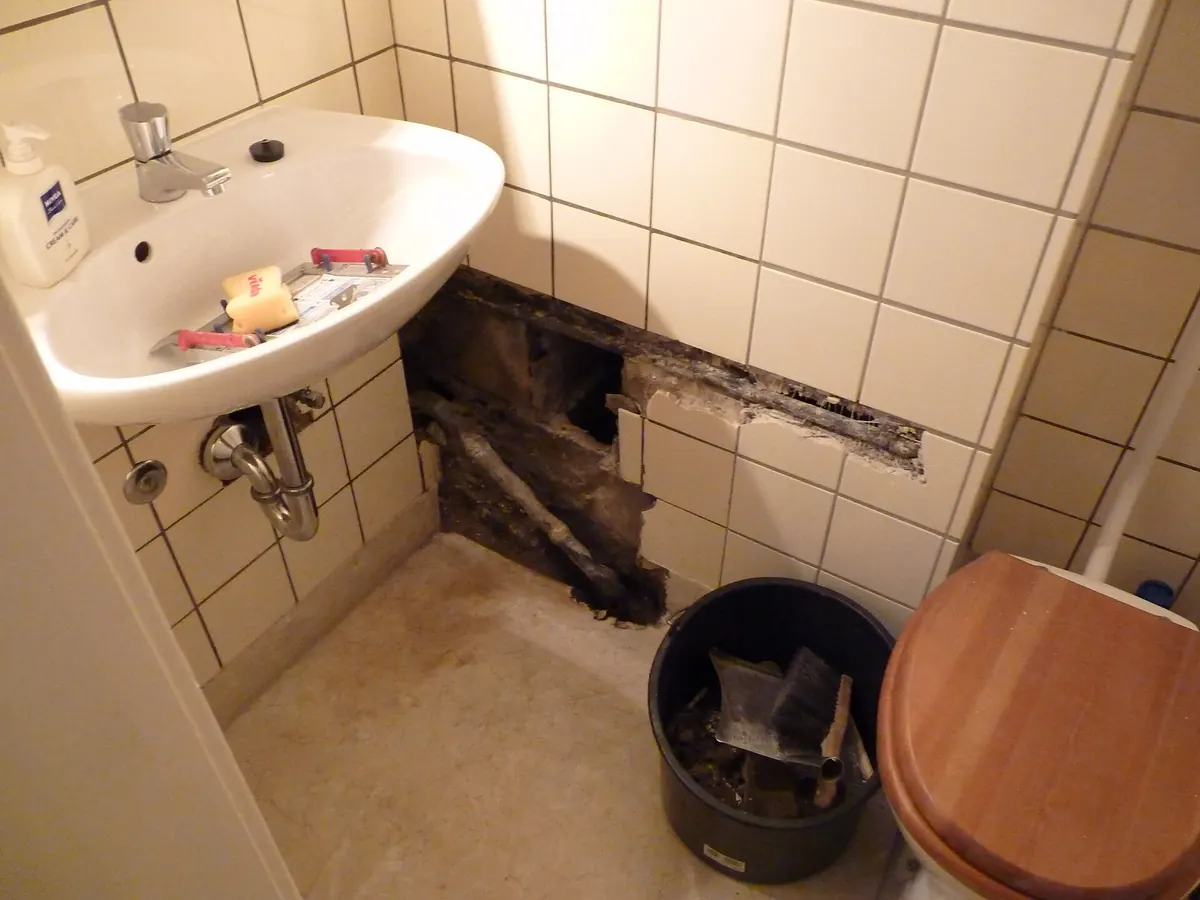
Plumbing Leak Mold Cleanup Services in Richmond
Cleanup takes out damaged material and mold following leaks from your drain line, water heater, burst pipe or supply line. Checks look for concealed dampness in cabinets, floors and wall cavities.
Your sound framing receives cleaning and drying. Checks establish whether damp insulation, cabinet backing and drywall need removal. Moisture mapping and leak detection locate water beneath your sink and behind your wall.
Your written scope of work defines containment, removal and drying. Pipe repair and replacement finishes are identified separately when needed. The water problem is corrected before cavities are closed.
- Leak detection and moisture mapping
- Contained work for drywall removal and debris bagging
- Drain line and water heater leak assessment
- HEPA cleaning and structural drying
- Moisture readings and final checks
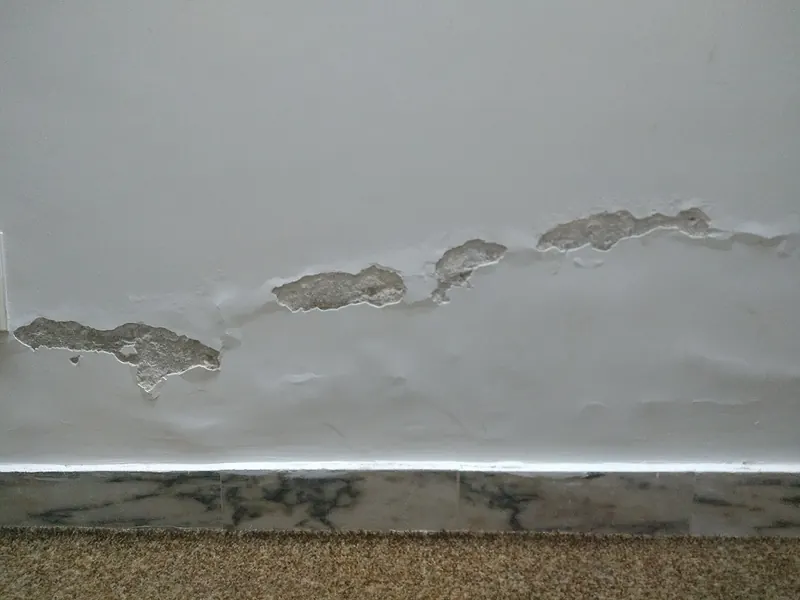
Ray County Warning Signs for Mold Cleanup After a Plumbing Leak
Your musty smell, soft finishes or mold growth could point to concealed damage from a leak.
Mold Beside a Pipe Chase
Spots return near plumbing or spread along a shared bathroom wall.
Flooring Changes Following a Burst Pipe
You find lifted flooring or soft patches where water has passed.
Mustiness After Leak Repair
A lingering smell persists despite the pipe no longer dripping.
Mold Under a Sink
Swollen edges accompany growth near a supply line on the back of your cabinet.
Ceiling Mold Below Plumbing
Below a fixture upstairs, you see growth, stains and peeling paint.
How Plumbing Leak Mold Cleanup Works
Your job follows the water path through contained cleanup and final checks.
Leak and Mold Assessment
During your assessment, damage is traced beside pipes and into neighboring rooms. Dampness is mapped with a moisture meter; investigation may use a thermal imaging camera, which cannot identify mold.
Moisture Source and Scope
Leak repair is defined before cleanup proceeds. The scope identifies affected materials, access openings and separate plumbing or rebuilding work.
Contain the Mold Work Area
Poly sheeting isolates the work area along with a containment barrier. Negative air pressure, protective equipment and a HEPA air scrubber help contain the spread of mold spores.
Remove Mold-Damaged Materials
Unsavable drywall, insulation and cabinet backing are removed within containment. Debris is bagged before leaving; removal boundaries follow the assessed damage.
Clean Retained Surfaces
Use a HEPA vacuum and appropriate damp wiping to clean sound framing. Antimicrobial treatment cannot substitute for taking out damaged porous materials and removing mold.
Dry the Exposed Structure
Controlled airflow works with dehumidification to dry the framing and floor layers you keep. During plumbing source correction, moisture readings monitor structural drying.
Verify and Remove Containment
Source control and dryness are checked alongside cleaning during post-remediation verification. Any required clearance testing goes to an independent assessor before cavities close or containment is removed.
Your Choice for Plumbing Leak Mold Cleanup: Why Kansas City Mold Cleanup
Calls Answered 24/7
Your mold assessment after a plumbing leak starts with one number across Greater Kansas City, nights and weekends included.
Contained Mold Removal
Containment and HEPA filtration limit particle spread while damaged materials leave your home.
Cleaning Through Final Checks
Retained surfaces are cleaned and dried, with final checks before containment comes down.
Clear Scope Before Removal
Your drying requirements, removal boundaries and separate repair tasks are explained ahead of work.
Leak Source First
Water is traced from your failed pipe into layers of walls, flooring and cabinets during assessment.
Before Plumbing Leak Mold Cleanup in Greater Kansas City
Avoid disturbing affected materials. Arrange your assessment by calling.
- Stop Incoming Water. Use the shutoff only if safe. A plumber could be necessary.
- Avoid Wet Electrical Equipment. Do not approach water near outlets or electrical wiring and fixtures.
- Leave Mold in Place. Avoid scraping growth and never direct air movers toward it.
- Keep the Area Clear. Damaged rooms and sagging ceilings should remain off limits to people and pets.
- Leave Affected HVAC Off. Leave HVAC equipment off if mold contamination is possible, advises EPA.
Mold Cleanup Cost After a Plumbing Leak in Richmond
Costs depend on how much needs removing and drying. Your scope considers any overlap in charges. Published ranges list combined damage separately from inspection and repairs to small leaks.
Combined water and mold damage
$2,700 to $10,000 per jobSource: Fixr, Mold Remediation Cost (checked 2026-10-23)Small leak repair, fixes the cause not the mold
$150 to $350 per repairSource: Fixr, Mold Remediation Cost (checked 2026-10-23)Inspection only, no testing
$300 to $600 per inspectionSource: Fixr, Mold Inspection Cost (checked 2026-10-23)Your Pipe Leak Cleanup Cost: What Affects It
- Drying equipment and monitoring
- Access behind cabinets or flooring
- Separate plumbing and rebuilding work
- Affected area in square feet
- Containment and HEPA filtration needs
- Duration of water intrusion
Cleanup and Repairs: Your Price
These published national ranges are planning figures. Your on-site assessment defines the work and price before cleanup starts, including any separate source repairs or rebuilding.
Call (844) 352-3560 about costMold After a Plumbing Leak or Burst Pipe Service Area Across Greater Kansas City
Call (844) 352-3560 to arrange cleanup in Richmond or nearby communities. One number covers the metro.
Mold After a Plumbing Leak or Burst Pipe in Locations Near Richmond
ZIP codes
Frequently Asked Questions About Mold After a Plumbing Leak or Burst Pipe in Richmond
After a pipe leak is repaired, can mold recur?
Mold can return if damp materials or another moisture source remain. Pipe repair halts water flow without clearing away mold already present. Cleaning and drying accompany removal during your cleanup. Concealed layers and framing left in place are checked ahead of being enclosed during repairs.
What is the timeframe for plumbing leak cleanup in Richmond?
The leak's route and affected materials determine your schedule. Cleaning cabinets differs from the work needed to open walls and dry flooring layers. Progress depends on moisture readings. Your room's reopening and installation of replacement finishes depend on access, pipe repair and verification.
Is air testing needed before or after removal?
With visible mold present, air sampling is generally unnecessary, according to EPA. Determine the cleanup area by inspecting and checking moisture. Containment stays up until cleaning and drying have been checked. If clearance testing is specified, an independent assessor performs it. No federal limit exists on the level of mold indoors.
Does the entire kitchen need removal after a sink leak?
Removal follows the damage and access needed. Wet drywall, flooring or swollen backing from cabinets may need removal, with intact units left in place. Assessment determines how far your removal extends under the sink and behind cabinets. Your scope may change as removal reveals damage.
Will your plumbing leak be repaired during cleanup?
Your moisture source and necessary fix are determined in the assessment. Your scope must list pipe repair for inclusion; you may need a plumber separately. Cleanup addresses mold after source control. You may need more access to reach a hidden leak or frozen pipe.
How much is your plumbing leak mold cleanup cost in Ray County?
Your affected area and material condition, along with access, shape the price. The cost cards list cleanup, inspection and small leak repair ranges with sources and distinct units. Replacement finishes and containment, along with drying, influence the total. Your scope defines included work before it starts.
Is staying home possible during mold cleanup after a plumbing leak?
When rooms you occupy are separate from debris routes and containment, staying may be possible. Shared ventilation, water shutoff or loss of your only bathroom can make that impractical. Your assessment defines access restrictions before removal, including whether temporary arrangements are needed.
Plumbing Leak Mold: Insurance Questions in Missouri
The cause, deductible, limits on mold coverage and terms of your homeowners policy affect insurance coverage. Claim decisions can differ between sudden accidental damage and repeated seepage.
Staying Safe Around Plumbing Leak Mold in Missouri
Water source, material damage and access hazards determine cleanup precautions.
Damaged Ceilings and Floors
Before entering or removing materials, have sagging ceilings and soft floors assessed.
Contaminated Drain Water
For sewage or contaminated water, you need professional help with experience in that damage.
Sensitive Occupants
Mold may trigger symptoms of allergies and asthma for some people, CDC says.
Mold Color
How risky mold is cannot be determined from color, CDC says. Dark growth does not establish a species.
Cleanup scope: Homeowners can often clean areas under about 10 square feet, according to EPA. Get professional help for larger areas, contaminated water or affected HVAC systems.
Mold-Damaged Materials After a Leak in Ray County
Sound surfaces are cleaned; damaged layers may need removal.
Sound framing and subfloor
- Wood you can reach is cleaned and dried if sound enough to keep.
Drywall, insulation and cabinetry
- Damaged drywall and moldy insulation may come out, along with swollen cabinet backing.
Non-porous surfaces
- Clean accessible tile, metal and washable plumbing fixtures when sound.
Scheduling Mold Cleanup After a Plumbing Leak in Ray County
Access, the amount removed and measured moisture guide your timing.
- Opening concealed areas: Cabinet bases, floor layers and shared pipe chases affect access to the damage.
- Drying retained materials: For exposed framing and subfloor, moisture readings measure progress through the drying process.
- Restoring room use: When you reopen is affected by final verification and any separate repairs to plumbing or finishes.
After Leak Repair: Musty Odor in Richmond
Persistent mustiness prompts material and moisture checks in your home. Using a dehumidifier does not take out moldy cabinet backing or stop leaking plumbing.
EPA advises an ideal indoor relative humidity of 30 to 50 percent and a level below 60 percent. You still need cleanup even when humidity is controlled.
Plumbing Leak Mold Work: Requirements in Missouri
State Mold Requirements
Missouri does not appear to have a statewide license for mold assessors or remediators, and the state does not set mold exposure standards. Ask any contractor about their mold training and check local contractor rules.
EPA Guidelines for Drying
For mold growth prevention, dry areas and items damaged by water within 24 to 48 hours, according to EPA.
Plumbing and Rebuilding Work
The plumbing and structural work, along with included electrical repairs, determines permit requirements.
State Mold Information
The Missouri Department of Health and Senior Services has a mold page for the public, with the Bureau of Environmental Epidemiology listed as the contact.
State guidance: Missouri Attorney General, Landlord Tenant Law
Related Services and Next Steps
Start Your Mold After a Plumbing Leak or Burst Pipe in Richmond
Call 24/7 to arrange your assessment. Your cleanup starts with the affected surfaces, moisture source and access to your home.