
Local mold removal
Mold Removal in Platte City, MO
Call when you need help assessing and removing mold in Platte City.
Call (844) 352-3560
Talk to a mold removal specialistAnswered 24 hours a day. No forms.
- Moisture source checked first
- Containment and HEPA filtration
- Homes, rentals and businesses

Moisture control mattersFix the water problem or mold can return.
24/7 callsDay, night, weekends and holidays
Moisture source firstFind and fix the leak or humidity
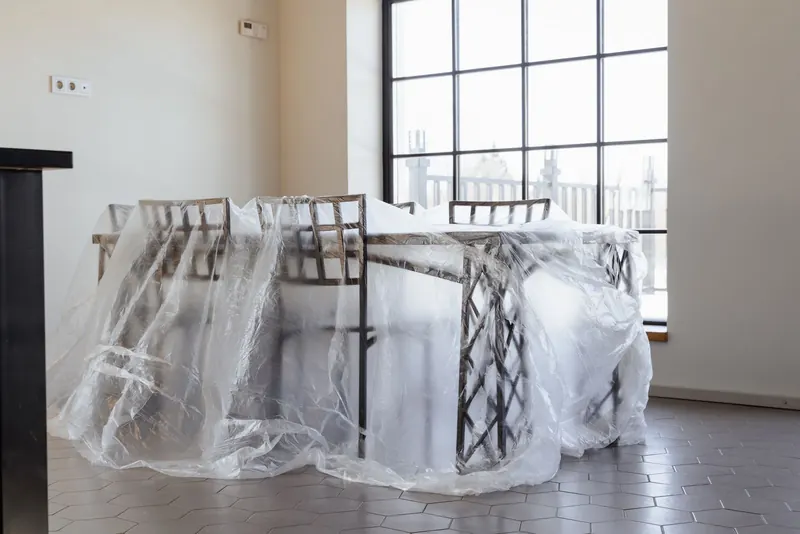
Contained work areaPlastic sheeting and HEPA filtration
Platte CityHomes, rentals and businesses
Local conditions
Mold Removal Conditions Around Platte City
Your property condition cannot be inferred from housing figures that describe the surrounding area. Plan access, moisture repairs and records around what an assessment finds.
4,824residentsACS 2024
52%of occupied housing units are rentedACS 2024
1978median year housing units were builtACS 2024
259residents 65+ live aloneACS 2024
Census ACS 2024 5-year (tables B01003, B25003, B25035, B09021 and B25024). Area estimates do not establish conditions at an individual property.
The median year built for housing units in Platte City is 1978. This does not establish your building age or condition. Ask who will repair the moisture source and who will replace any materials removed during cleanup.
In Platte City, renters occupy 52 percent of occupied housing units. Ask which rooms need to be accessible and where belongings can go during the assessed work.
Your property needs a moisture-specific plan that follows the leak into nearby walls, floors, ceilings, insulation, or framing before removal limits are set.
Single-family units make up 54 percent of all housing units in Platte City. For your property, record the rooms affected and ask who can authorize access before work begins.
Local Mold Facts for Platte City
- License: Missouri does not appear to have a statewide license for mold assessors or remediators, and the state does not set mold exposure standards. Ask any contractor about their mold training and check local contractor rules.
- Disclosure: Ask which mold and moisture findings must be disclosed before a sale or lease in your area.
- Renters: The Missouri Attorney General's landlord-tenant page says landlords should make a property habitable before a tenant moves in, and it links to a consumer complaint form.
- Agency: The Missouri Department of Health and Senior Services has a mold page for the public, with the Bureau of Environmental Epidemiology listed as the contact.
State guidance: Missouri Attorney General, Landlord Tenant Law
Call (844) 352-3560No forms. Just call.
Mold removal explained
What to Expect From Mold Removal
Mold removal includes locating your moisture source and containing the affected area, discarding material beyond cleaning, and drying material that can remain.
Mold mitigation and mold cleanup refer to work related to mold abatement and mold remediation. Your scope should tackle the underlying water intrusion or humidity issue as well as damp materials and visible mold growth.
Wet materials should be dried within 24 to 48 hours to help prevent mold growth, the EPA advises. In Platte City, a practical response is to stop the leak or humidity problem, limit disturbance, and check how far the growth extends before cleanup begins.
If your concern crosses a shared wall, ask who can authorize access on both sides and document which rooms need assessment.
- Visible growth or a musty odor
- Hidden moisture behind walls or floors
- Mold near HVAC equipment
- Flood or leak damage

Call (844) 352-3560Talk it through with a cleanup specialist
Health and safety
Checking Moisture and Affected Materials
Containment matters because disturbing affected materials can move mold spores and dust into clean rooms.
Some People Face More Risk
For some people, mold may trigger asthma and allergy symptoms. People with weak immune systems, asthma or lung disease are more at risk, according to the CDC.
Hidden Materials Can Stay Damp
Even when surfaces appear dry, moisture may remain in subfloor, framing or insulation. The affected area is clearer with moisture readings.
Color Does Not Measure Risk
Search terms include toxic mold and black mold. According to the CDC, mold color cannot tell you the level of risk.
Mold Spores Can Spread
Particles can escape when you pull carpet or cut drywall. HEPA filtration with negative air pressure helps restrict movement.
Call (844) 352-3560Answered 24/7, including holidays
Property types
Residential Service and Commercial Mold Removal in Platte City

Call (844) 352-3560Ask about cost and timing by phone
Every service
All 44 Mold Cleanup Services in Platte City
Pick a mold service based on the conditions you can see. If you do not know which page applies, you can call for guidance.
Mold Removal by Area of the Home
- Wall and Drywall Mold Removal
- Floor and Subfloor Mold Removal
- Ceiling Mold Removal
- Insulation Mold Removal
- HVAC and Air Duct Mold Removal
- Wood Framing Mold Removal (Joists, Studs, Rafters)
- Closet Mold Removal
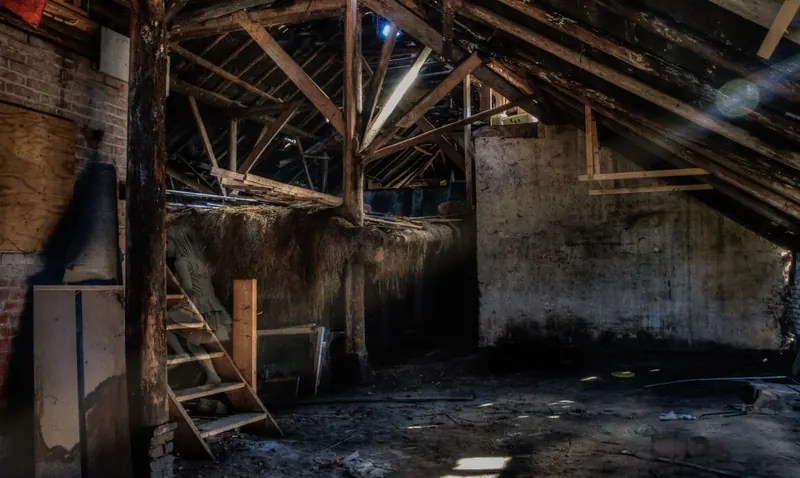
- Attic Mold Removal
- Basement Mold Removal
- Kitchen Mold Removal
- Crawl Space Mold Removal
- Bathroom Mold Removal
- Garage Mold Removal
- Crawl Space Encapsulation

Mold Removal Methods
Mold Inspection and Testing
Mold Removal Cost Guide
Call (844) 352-3560Private help, day or night
First steps
What to Do Before Calling Mold Removal Professionals in Platte County
Preserve helpful records, keep from disturbing growth and stop water only when safe to do so.
Call (844) 352-3560- Stop the water safely. Turn the leaking fixture off, or get a repair arranged. Avoid standing water as well as electrical equipment that is wet.
- Limit access. Close the door when possible. Children and pets should stay clear of growth you can see.
- Avoid spreading particles. Without containment, avoid sanding, scraping or brushing mold. If HVAC equipment might contain mold, shut the equipment off.
- Photograph the damage. Before moving anything, document damaged items, the leak and growth you can see. Check with the insurer about required records.
Step by step
Stages of Mold Remediation
The mold remediation steps start with assessment and containment, followed by damaged material removal, cleaning, drying and verification, before containment comes down.
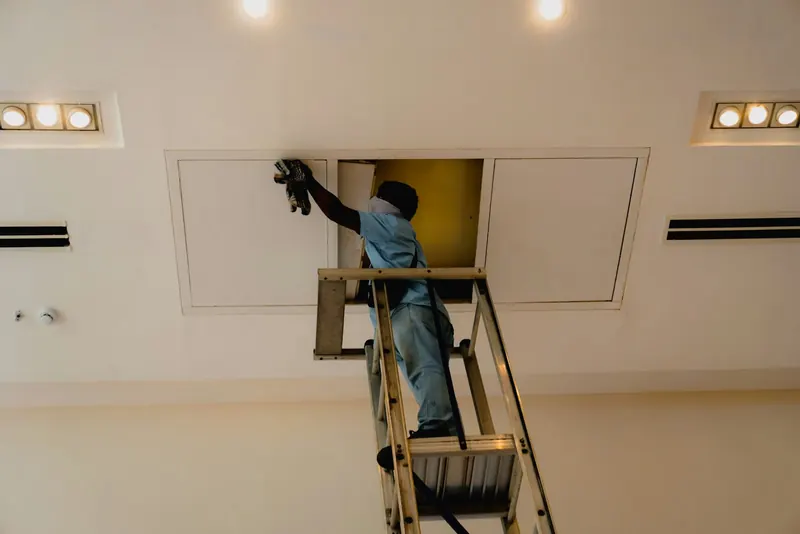
Mold Inspection and Moisture Mapping
Locating the moisture source and affected materials involves a moisture meter, supplemented by a thermal imaging camera when useful.
Containment and Air Filtration
Poly sheeting forms a containment barrier. Negative air pressure and a HEPA air scrubber, an air filtration device, limit particles moving into clean rooms.
Removal of Damaged Materials
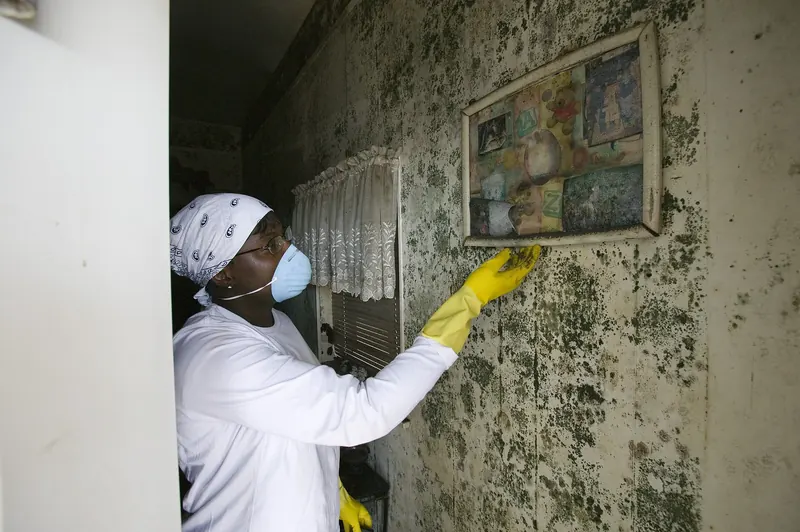
Workers wear protective equipment. Drywall removal is one possible demolition task when damaged porous materials need removal.
Surface Cleaning and Drying
A HEPA vacuum and damp wiping clean remaining non-porous surfaces. Air movers, a dehumidifier and moisture readings guide drying.
Final Cleaning and Verification
Post-remediation verification may include a visual check, clearance testing or air sampling by an independent assessor.
Price ranges
Discuss Your Mold Removal Cost in Platte City, MO
According to Fixr, the typical nationwide range for mold remediation is $1,500 to $9,000. For professional work covering more than about 10 square feet, the listed rate is $10 to $30 per square foot. What you pay reflects materials, repairs, the affected area, drying and containment.
Typical National Mold Remediation Range
$1,500 to $9,000Source: Fixr, Mold Remediation Cost (checked 2026-10-23)Professional Rate for Areas Over About 10 Square Feet
Each Square Foot Costs $10 to $30Source: Fixr, Mold Remediation Cost (checked 2026-10-23)Two Samples and Laboratory Testing With a Typical Inspection
$450 to $800Source: Fixr, Mold Inspection Cost (checked 2026-10-23)Insurance and who pays
Who Pays for Mold Removal in Missouri, and Does Insurance Apply?
Insurance coverage depends on the policy and moisture cause. A covered sudden water event could qualify; ongoing leaks, neglect and humidity often face exclusions or limits.
Renters and Landlords in Platte County
The Missouri Attorney General's landlord-tenant page says landlords should make a property habitable before a tenant moves in, and it links to a consumer complaint form.
Homeowners Insurance and Mold Removal
Find out whether a mold sublimit applies and the water event qualifies for coverage, plus what an insurance claim requires before material removal.
Property Disclosures
Ask which mold and moisture findings must be disclosed before a sale or lease in your area.
Need a Mold Removal Service in Platte City?
Call whenever you need. A mold cleanup specialist can outline what comes next for your property.
Nearby locations
Explore Mold Removal Services Around Platte City
Questions
Your Mold Cleanup Questions
What is the time needed for mold remediation?
Material removal and drying affect how long it takes, together with the affected area and repairs to the moisture source. Find out the work sequence before the start.
What is involved in checking for mold in your house?
Check around roofs, plumbing, HVAC equipment and windows for moisture signs, visible growth and a musty odor. A mold inspection helps you trace damp materials. Mold testing is not required in every case with clear growth and an evident water source.
When should you seek professional mold removal?
EPA guidance directs you to professionals for an affected HVAC system, sewage or contaminated water, extensive water damage, or areas exceeding about 10 square feet.
Is a different process needed for black mold?
Color alone tells you nothing about how risky mold is. Base the removal plan on the affected area, material, moisture source and containment needs.
Can removed mold grow back?
Mold can return if a leak, condensation or humidity problem remains. Look for the moisture source in your remediation plan, along with explanations of moisture control and drying.
Speak With a Mold Remediation Company Serving Greater Kansas City
Someone answers calls around the clock, including during holidays and on weekends, 24 hours a day.