Apartment and Condo Mold Remediation in Leawood, KS
Mold removed from ceilings, shared walls and damaged materials in your Leawood apartment or condo. Call 24/7 to start your assessment and plan contained cleanup.
- Shared-wall moisture checks
- Containment and HEPA filtration
- Clear scope before removal
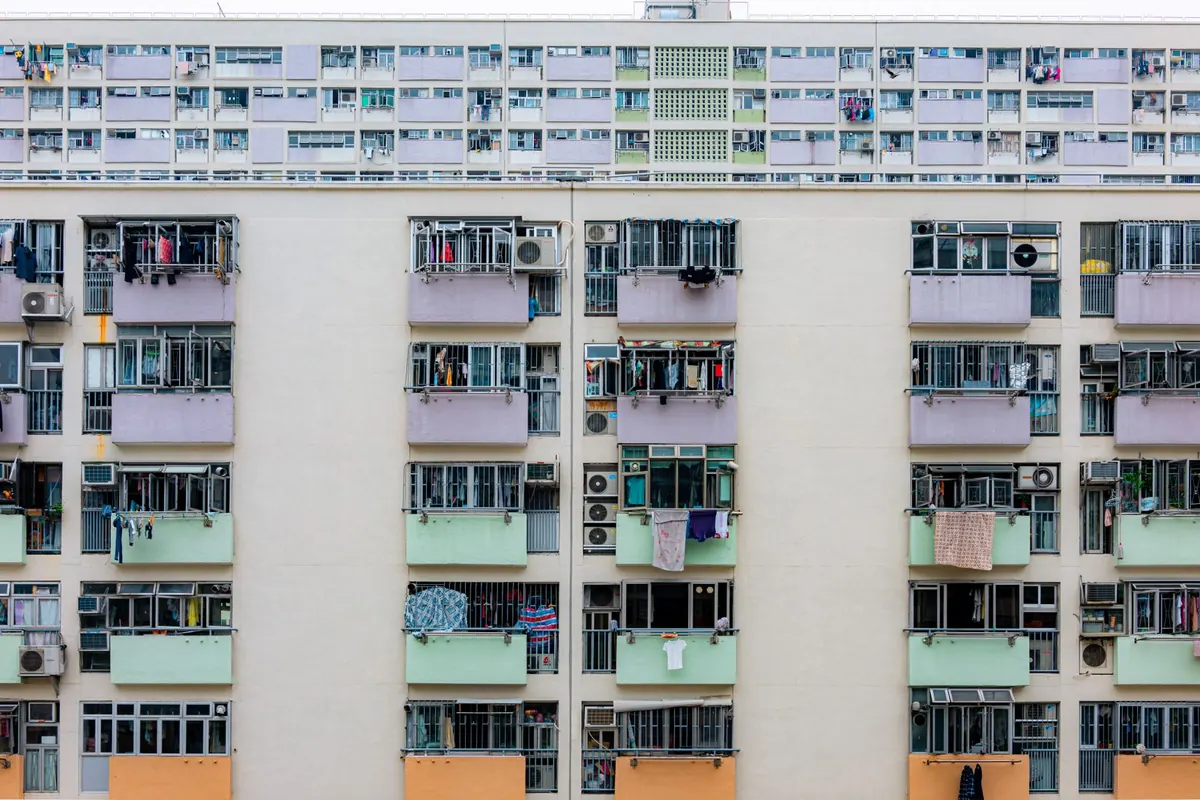
Apartment and Condo Mold Remediation Services in Leawood
Cleanup addresses your unit's affected flooring, ceilings, bathroom walls and kitchen cabinets. When dampness reaches past visible growth, the assessment includes shared walls and plumbing cavities that can be accessed.
Your belongings receive their own assessment, apart from building materials. Containment encloses removal of moldy drywall and insulation that cannot be saved. Non-porous surfaces and sound framing undergo cleaning and drying.
Neighboring units may be affected when water leaks from a stack or the unit above. Cleanup and access are defined in your written work scope, with repairs listed separately. Multifamily remediation can use phases to divide work zones.
- Ceiling and shared-wall assessment
- Kitchen and bathroom cavity cleanup
- Contained drywall removal
- Damaged carpet and insulation removal
- Cleaning, drying and final checks
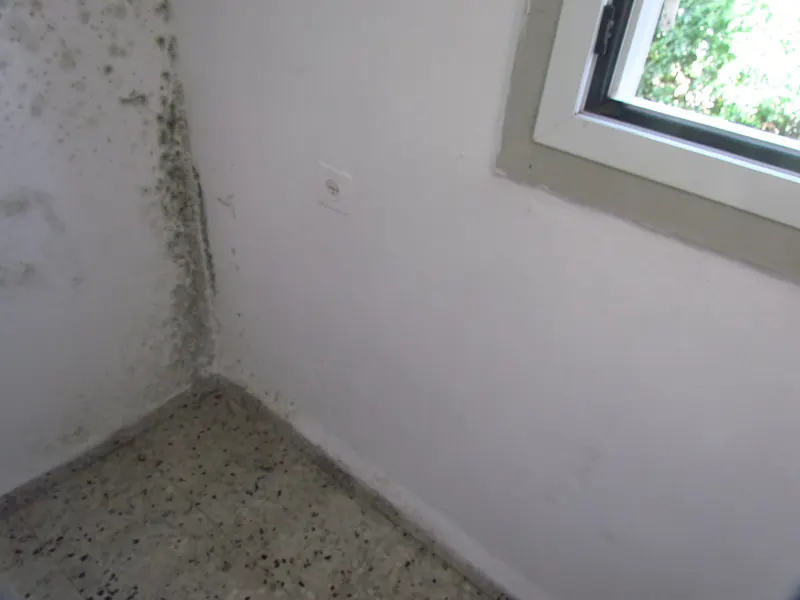
Recognizing the Need for Apartment Mold Removal
Your damp finishes, repeated spotting or ongoing odors may point to moisture out of sight.
Recurring Growth on Shared Walls
Dampness within your walls or ongoing water intrusion could explain spots that return.
Stained Apartment Ceilings
Your ceiling cavity may be damp if water marks or visible mold growth appear beneath another unit.
Swollen Cabinets Beside Building Plumbing
A hidden leak near your plumbing stack may leave cabinet backing soft or nearby baseboards damaged.
Musty Odor in Your Apartment
Smells that persist by vents, flooring or closets can suggest concealed dampness.
Damp Condo Flooring
Affected materials may lie beneath your swollen flooring or wet carpet edges.
The Process for Apartment Mold Cleanup Throughout Greater Kansas City
Your cleanup begins with assessment, proceeds within containment and ends with checks.
Apartment Assessment
A moisture meter maps dampness in your unit. A thermal imaging camera can reveal temperature variations, but mold identification is beyond the camera's capability.
Moisture Source and Scope
Where applicable, building plumbing is assessed alongside ventilation and shared cavities. Source repairs, access needs and the cleanup boundary are defined before work starts.
Work Area Containment
The containment barrier uses poly sheeting. An air filtration device called a HEPA air scrubber filters the air; negative air pressure is applied when appropriate.
Damaged Material Removal
Within containment, unsalvageable drywall goes into bags together with unsalvageable insulation and carpet pad. Openings expose affected cavities while the debris route limits disturbance to residents.
Apartment Surface Cleaning
Residue on surfaces being kept is removed through damp cleaning and a HEPA vacuum. Antimicrobial treatment, when appropriate, supplements physical cleaning.
Controlled Drying
Controlled drying uses air movers alongside a dehumidifier. Moisture readings track progress before replacement materials close cavities in.
Post-Remediation Verification
Checks compare removal, drying and cleaning with your scope. For specified clearance testing and the resulting clearance report, an independent assessor conducts testing and issues the report.
Containment Removal
Final checks take place before barrier removal. Rebuilding has a separate scope for your unit, with any needed finish repairs completed before normal room use resumes.
Apartment and Condo Mold Remediation: Reasons to Choose Kansas City Mold Cleanup
Removal Through Final Checks
Removal takes out damaged materials, and checks confirm cleaning and drying before containment is dismantled.
Clear Scope Before Removal
Your scope separates cleanup from source repairs and rebuilding before materials come out.
Contained Apartment Work
HEPA filtration and planned debris routes limit particle spread beyond your work area.
Calls Answered 24/7
You can start your apartment cleanup with one number for the whole metro, day or night.
Shared-Building Moisture First
Your assessment traces damp areas within accessible shared walls and cavities for plumbing ahead of removal.
Your Johnson County Apartment Mold Cleanup Preparation
Call for your assessment, keeping damaged finishes untouched.
- Report active leaks. To get water entry addressed, alert your property manager or the contact for your building.
- Keep the affected space clear. Do not let your children or pets approach damaged materials.
- Leave walls and ceilings intact. Avoid scraping growth or lifting carpet with mold, and leave tear out unstarted.
- Avoid wet electrical areas. Stay away from water near outlets, wiring and ceiling fixtures.
- Avoid spreading particles. Leave a possibly contaminated HVAC system off, and never direct fans toward mold.
Understanding Apartment and Condo Cleanup Cost in Leawood
Your unit needs its own quote; the published ranges reflect general remediation nationally. Assessed damage and access shape the price, rather than the apartment's total floor area.
Typical national range, average $3,500
$1,500 to $9,000 per jobSource: Fixr, Mold Remediation Cost (checked 2026-10-23)Typical range, average $2,300
$1,200 to $3,750 per jobSource: This Old House, Mold Remediation Cost (cost data credited to Angi) (checked 2026-10-23)Rate for professional work on areas larger than about 10 square feet
Each square foot costs $10 to $30Source: Fixr, Mold Remediation Cost (checked 2026-10-23)Factors Affecting Apartment Mold Cleanup Cost
- Damaged material removal and disposal
- Reaching shared cavities or accessing adjacent units
- Building hours for work, plus debris routing
- Separate scopes for source repairs, testing and rebuilding
- Affected rooms and hidden growth
- Containment and HEPA filtration
Mold Cleanup Pricing for Your Unit
These published national ranges are planning figures. Your on-site assessment defines the work and price before cleanup starts, including any separate source repairs or rebuilding.
Call (844) 352-3560 about costApartment and Condo Mold Remediation Service Area Across Greater Kansas City
Call (844) 352-3560 to arrange cleanup in Leawood or nearby communities. One number covers the metro.
Apartment and Condo Mold Remediation in Locations Near Leawood
What People Ask About Apartment and Condo Mold Remediation in Leawood
How much time should you allow for apartment cleanup in Leawood?
Your timeline is set after assessment. Surface cleanup involves less work than opening shared walls or drying a ceiling cavity. Each stage depends on moisture readings and building access. Containment removal follows final checks; rebuilding may lengthen the wait before your rooms reopen.
Is mold in my apartment likely to return after cleaning?
Mold may grow back when water problems continue. Your assessment tracks down leaks along with ventilation issues and condensation ahead of removal. Materials that remain undergo cleaning and drying ahead of being enclosed by repairs. You help prevent the conditions behind growth by completing source repairs and maintaining humidity control.
Is the leak from another unit fixed too?
Your moisture source is assessed together with cleanup, including shared building plumbing and any leak from above. Only source repairs listed in your scope form part of the work. Coordinated entry to affected units lets cleanup and necessary repairs address water's path before restoration of finishes.
What has to come out during condo cleanup?
Removal may be necessary for carpet pad with mold and for damaged drywall or insulation. Accessible hard surfaces can often undergo cleaning and drying, as can sound framing. Assessment locates your affected materials behind cabinets or within shared walls. Whether removal is needed depends on damage and access for cleaning rather than stain color.
How much does unit cleanup cost in Johnson County?
Assessed damage, access to concealed areas and containment requirements determine your price. The cards above show sourced national ranges for general remediation. Your total can vary with drying and shared cavities. Rebuilding, plumbing repairs and testing are part of your work only if your scope lists them.
During apartment mold removal, can you remain in your unit?
Whether you can stay depends on essential-room access, your layout and the boundary of the work. The affected area stays restricted during cleanup. Your household needs, shared ventilation and exits are assessed in advance. If work restricts your kitchen or bathroom access, containment by itself does not confirm that staying is appropriate.
Is testing needed before or after the work?
Air sampling often is not needed for visible growth, according to EPA guidance. An inspection determines moisture and affected materials. Checks on drying and cleaning precede the removal of containment. An independent assessor conducts clearance testing whenever specified. Indoor mold levels have no federally set limit.
Apartment Mold Cleanup and Insurance in Kansas
Coverage depends on the cause, policy terms, exclusions and deductible. Condo homeowners insurance, renters coverage and building policies can treat cleanup, belongings and rebuilding differently.
Safety During Apartment Mold Cleanup Across Greater Kansas City
Your occupied building needs containment and planned debris routes to reduce the spread of particles.
Apartment Dust Control
HEPA filtration and protective equipment support contained work when removal disturbs mold spores.
Hidden Dampness
A dry wall face does not establish that insulation or framing behind it is dry.
Contaminated Water
EPA calls for professional help experienced with sewage or contaminated water damage.
Shared Hallways
Sealing debris in the work zone precedes transport through hallways shared by residents.
Cleanup scope: EPA says areas under about 10 square feet can often be homeowner-cleaned. Professional assessment is needed for larger areas or HVAC involvement; shared building construction may mean accessing spaces outside your unit.
Materials Cleaned or Removed During Johnson County Apartment Mold Cleanup
Condition and access determine what can be cleaned or removed.
Non-Porous Surfaces
- Sound glass, glazed tile and metal are cleaned and dried.
Porous Materials
- You may be able to keep sound framing after cleaning; moldy carpet, drywall and insulation may need discarding.
Your Belongings
- Furniture and clothing are assessed separately from the walls and flooring around them.
Planning an Apartment Mold Cleanup Project Schedule in Johnson County
Your schedule follows access, removal, drying and final checks.
- Access: Your start date can depend on neighboring units, shared risers and whether an elevator is available.
- Drying: Material condition and moisture readings determine readiness for the next stage.
- Room use: Reopening rooms is timed around verification and whatever finish repairs are needed.
Your Leawood Apartment: Humidity, Odor and Mold Cleanup
Fragrance leaves the cause of moisture unresolved. An investigation of lingering smells in your unit also examines nearby damp materials.
Aim for 30 to 50 percent indoor relative humidity, ideally, and keep it below 60 percent as EPA recommends. You still need any necessary leak repair when using dehumidification.
Apartment Mold Cleanup in Kansas: Work Requirements
Apartment Work Requirements
No statewide mold remediation license was found in Kansas. It is worth asking any contractor about their training and checking local contractor rules.
Building Access
Your property manager or condo association coordinates entry, debris routing and work hours; building access determines whether after-hours work is possible.
EPA Drying Guidance
EPA recommends drying items and areas damaged by water within 24 to 48 hours as a way to prevent mold growth.
State Mold Information
The Kansas Department of Health and Environment (KDHE) is the state indoor air contact that EPA lists for Kansas. A Johnson County K-State Extension page says mold and other indoor air questions go to the Kansas Bureau of Environmental Health at 785-296-8092 or 866-865-3233.
State guidance: Kansas Office of the Revisor of Statutes, K.S.A. 58-2553 Duties of landlord; K-State Research and Extension, Johnson County, Mold; EPA, Region 7 state indoor air quality contacts (PDF); KDHE, Investigation of Mold Concerns at Fort Hays State University (July 2024)
Related Services and Next Steps
Start Your Apartment and Condo Mold Remediation in Leawood
Call 24/7 to arrange your assessment. Your cleanup starts with the affected surfaces, moisture source and access to your home.